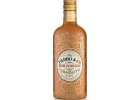
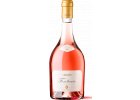
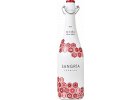
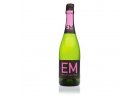
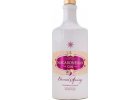
Wines and Drinks is the largest category in the online shop, focused on Spanish wines and complementary drinks. Its core consists of wines divided by colour (red, white, rosé) and by production method (sparkling Cava, fortified sherry from D.O. Jerez), coming from recognised regions such as Rioja, Ribera del Duero, Penedès and Priorat. Alongside wine, the category also offers vermouth, Spanish spirits (gin, rum, vodka), ready-made sangría, Asturian ciders and non-alcoholic lemonades and kombuchas. With wine, the choice is mainly determined by the region of origin (D.O.), the grape variety and the vintage, and with sherry by the particular style according to the degree of oxidative ageing. Special and biodynamic wines add collectable and sustainably grown items to the range.
How to find your way around this category
The main part consists of Wines, further divided into red, white, rosé, sparkling (Cava) and sherry, plus special and biodynamic wines for a more demanding selection. Beyond wine, the category offers Vermouth as an aperitif, Spirits (gin, rum, vodka), ready-made Sangría, Ciders and non-alcoholic drinks for those who do not drink alcohol.
The region of origin (D.O.) and the grape variety are key to choosing a wine - they determine both the style and the price. For occasional purchases, the filter by region of origin or by alcohol content in the left-hand category menu will help.
Wines - how to find your way around the types and regions
Spanish wines are governed by the system of protected designations of origin (D.O. - Denominación de Origen), with the strictest category, D.O.Ca / D.O.C. (Denominación de Origen Calificada), currently held by only a few regions, among them Rioja. The choice of wine type depends on the colour of the grapes and the production method.
| Type |
Main regions |
Character |
Recommended pairing |
| Red wine |
D.O. Rioja, Ribera del Duero, Jumilla, Mallorca |
Fuller body, tannin, often aged in oak barrels |
Jamón, aged cheeses, red meat |
| White wine |
D.O. Rioja, Penedès, Navarra |
Fresh and fruity, varieties such as Xarel.lo, Verdejo, Albariño |
Seafood, fish, lighter starters |
| Rosé wine |
D.O. Navarra, Rioja, Sierras de Málaga |
Light and fruity, served chilled |
Summer menus, tapas, grilled vegetables |
| Sparkling wines (Cava) |
D.O. Penedès, Corpinnat |
Traditional method of fermentation in the bottle |
Aperitif, celebratory toast |
| Sherry |
D.O. Jerez |
Fortified wine, styles from dry fino to sweet Pedro Ximénez |
Fino as an aperitif, Pedro Ximénez with dessert |
The specific vintage and ratings (for example Parker points) differ from wine to wine and change with each delivery. You will always find the current vintage and parameters in the detail of the given product.
Vermouth, spirits and sangría - aperitifs and mixed drinks
Vermouth is an aromatised wine flavoured with herbs and spices, represented in this category mainly by the brands Yzaguirre and Mascaro in white, red and dry versions - it is served on its own with ice or as a base for cocktails. The spirits comprise a smaller but high-quality selection of gins, rums and vodka from Spanish distilleries such as Siderit and Xoriguer, complemented by aged rums such as Zacapa. Sangría is offered ready to drink, including bag-in-box packaging for larger events.
Ready-made sangría and vermouth have a lower alcohol content than spirits, but they are still alcoholic drinks - always check the alcohol content on the label of the particular product.
Storing and serving wine
Wine is best stored in a dark, cool and stable place (ideally 12-16 °C), with the bottles lying down so that the cork stays moist. The serving temperature differs by type - red wine is served slightly cooler than room temperature (around 16-18 °C), white and rosé wine chilled to 8-12 °C, Cava and fino sherry cooler still (6-8 °C).
An opened bottle should be finished within a few days, while fortified wines such as sherry keep longer thanks to their higher alcohol content. Full-bodied red wines are worth decanting, which helps to open up the flavour and aroma.
Special and biodynamic wines
The Special wines subcategory includes prestigious and collectable bottles, for example vintages of Viña el Pisón from Artadi or Pago Negralada from Abadía Retuerta, where the price rises with the vintage and the rating. Biodynamic wines come from producers who farm without synthetic preparations and with regard for natural cycles, represented among others by the D.O. Jumilla and D.O. Sierras de Málaga regions.
Frequently asked questions
What is the difference between D.O. and D.O.C. in Spanish wine?
D.O. (Denominación de Origen) is the standard protected designation of origin, while D.O.Ca / D.O.C. (Denominación de Origen Calificada) is a stricter, higher category with more demanding rules, currently held by only a few regions, for example Rioja.
What is Cava and how does it differ from champagne?
Cava is a Spanish sparkling wine made by the traditional method of fermentation in the bottle, just like champagne, but it comes mainly from the Penedès region and may not carry the designation champagne, which is reserved for the French region of Champagne.
What is the ideal serving temperature for wine?
Red wine is served at around 16-18 °C, white and rosé chilled to 8-12 °C, Cava and fino sherry cooler still, at around 6-8 °C.
What is sherry and how is it drunk?
Sherry is a fortified wine from the D.O. Jerez region in Spain. Dry styles such as fino or manzanilla are drunk chilled as an aperitif, while sweet Pedro Ximénez is served with dessert or with ice cream.
What is the difference between vermouth and wine?
Vermouth is a wine aromatised with herbs, spices and bark, usually with a higher alcohol content and a more pronounced, bittersweet flavour. It is drunk on its own with ice, not as an accompaniment to food.
Is sangría a strongly alcoholic drink?
Sangría usually has a similar alcohol content to the wine it is made from, that is around 7-11 %. You will find the exact figure on the label of the particular product.
What does biodynamic wine mean?
Biodynamic wine comes from vineyards farmed without synthetic fertilisers and sprays, with regard for natural cycles and the soil. It is a stricter approach than conventional organic farming.
How long does an opened bottle of wine last?
An ordinary wine usually keeps for 2-4 days in the fridge with the cork put back in, while fortified wines such as sherry keep longer thanks to their higher alcohol content, easily even several weeks.
Subcategories and related products
Wines
Red, white, rosé and sparkling wines from Spain
Red wine
The widest selection, the Rioja, Ribera del Duero and other regions
White wine
Fresh wines to go with fish and seafood
Sherry
Fortified wines from D.O. Jerez
Vermouth
Aromatised wines from Yzaguirre and Mascaro
Good to know
What matters in practice
The region of origin (D.O.), the grape variety and the vintage for wine, and the ageing style for sherry.
Also: the price rises with the prestige of the region and the rating of the wine.
What we base this on
On the Spanish system of protected designations of origin (D.O., D.O.Ca) and on information from the wineries Artadi, Abadía Retuerta, Gramona and others.
Also: we verify current vintages on the individual products.
Where the limits are
The availability of vintages and limited wines changes quickly, and prestigious bottles tend to come in limited quantities.
Also: you will always find current stock availability in the product detail.
What this category does not cover
Neither beer nor spirits other than gin, rum and vodka.
Also: refreshments to go with wine can be found in the Cheeses and Hams and salami categories.